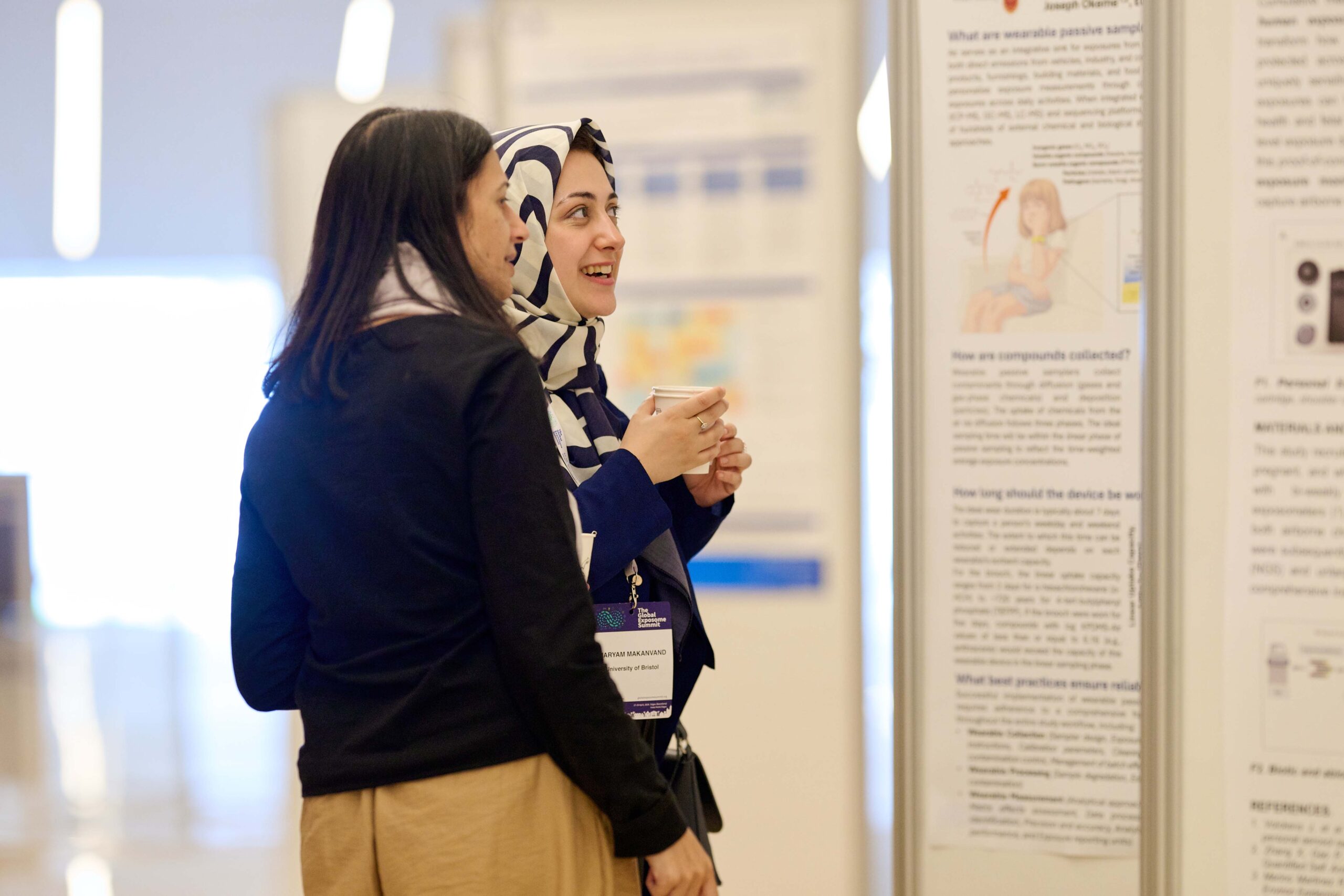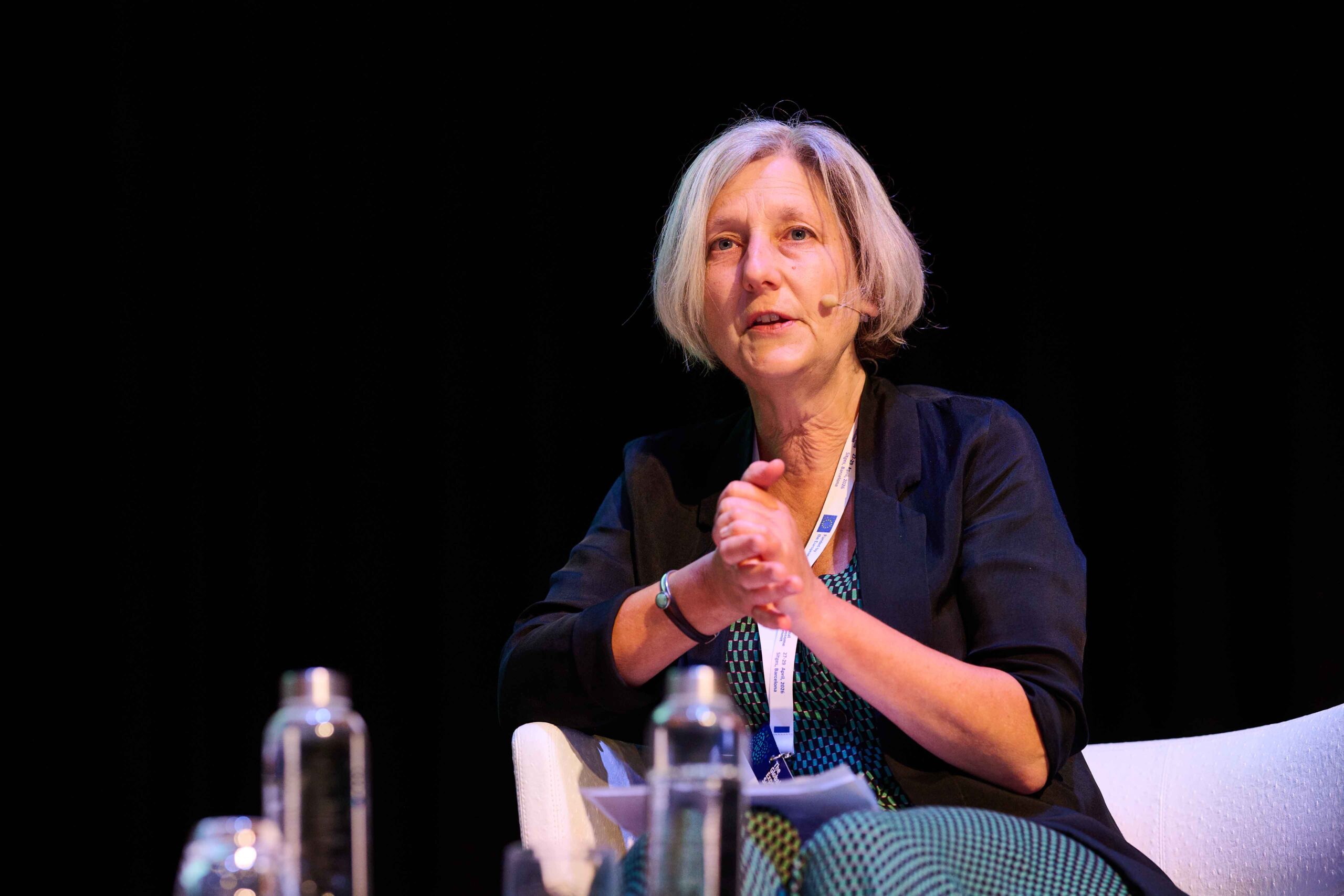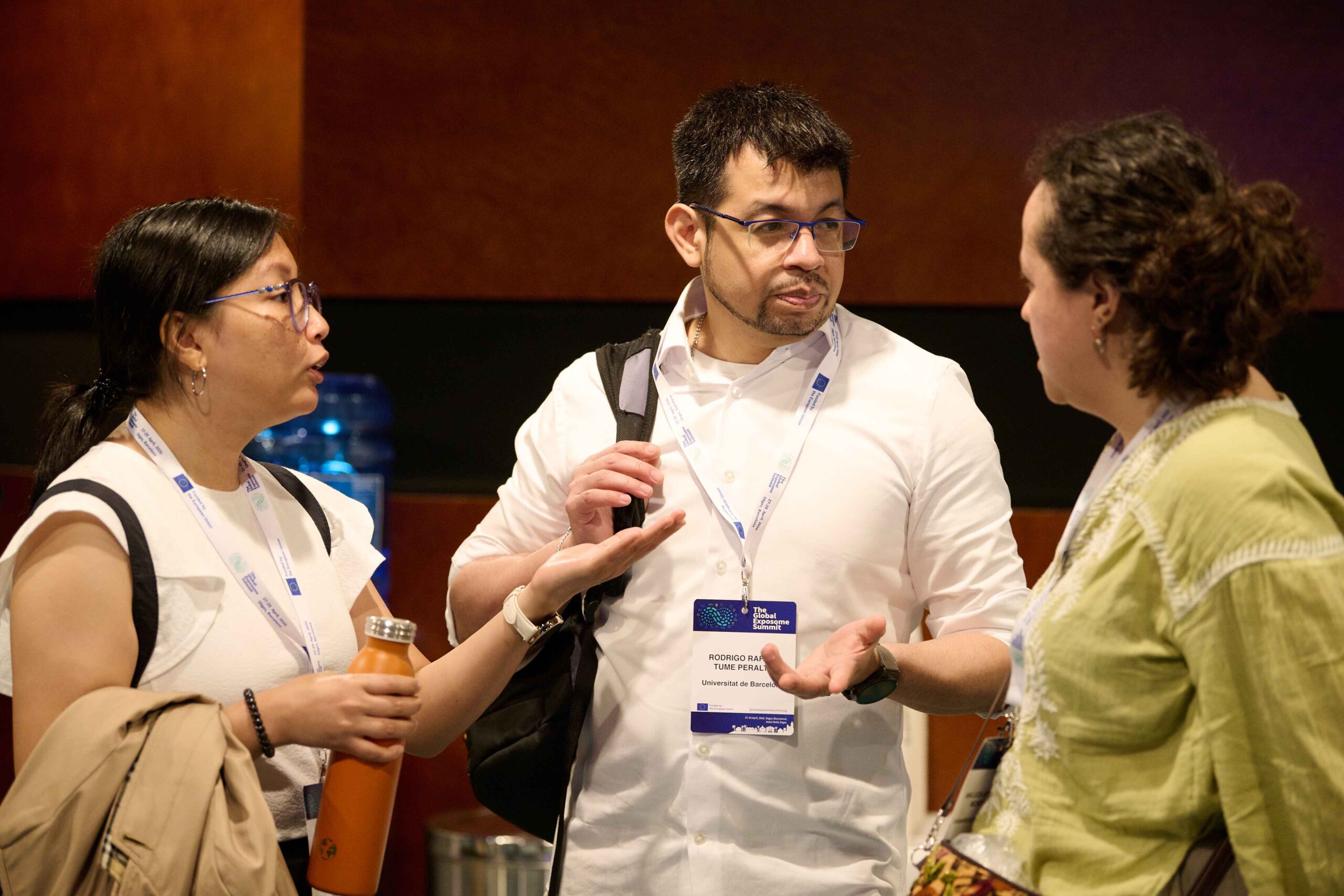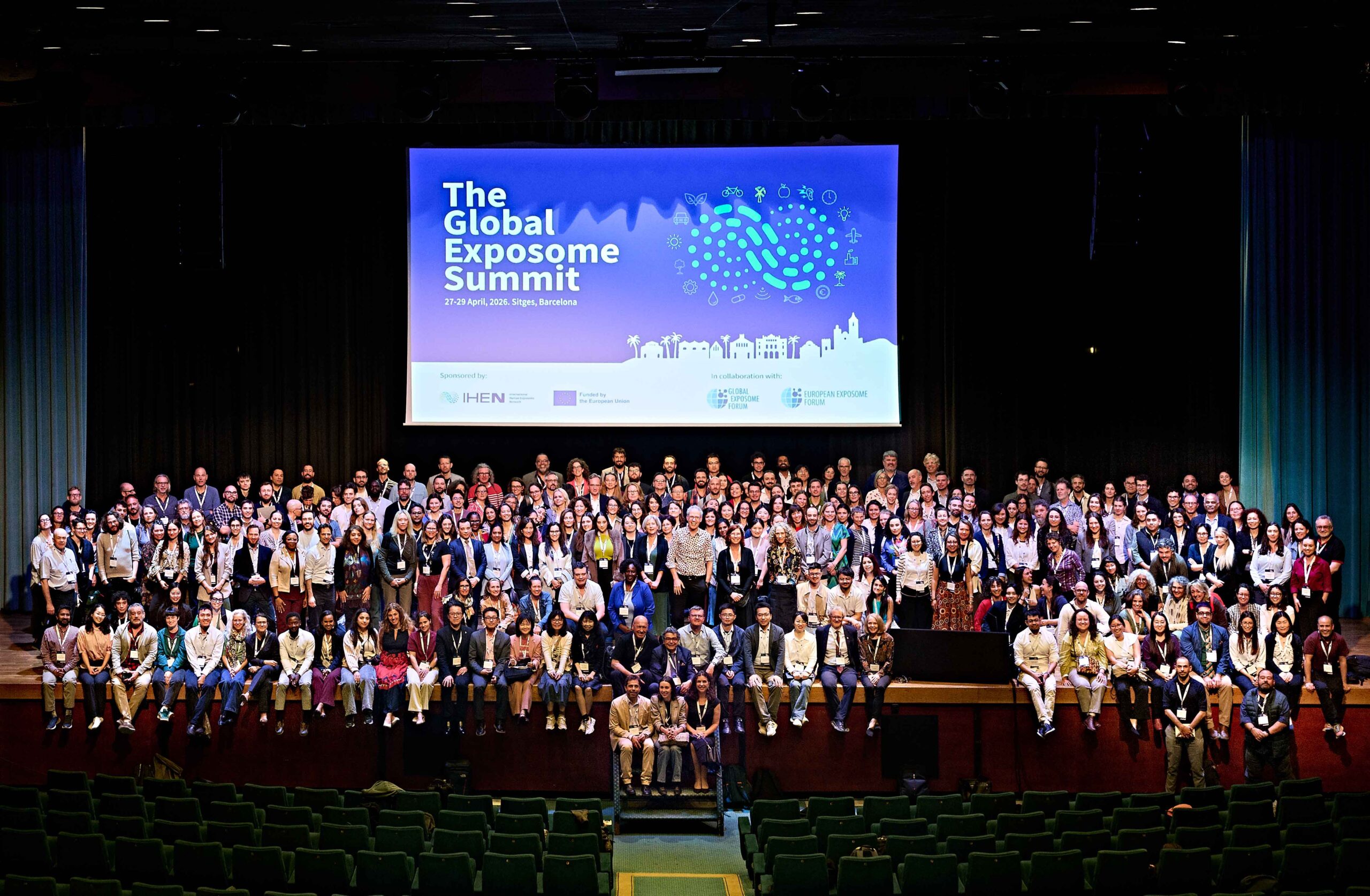
“The exposome can be a game changer to frame the prevention agenda at European level, to improve the quality of life of European people, and a driver to get green policies back,” said MEP Christophe Clergeau at the Global Exposome Summit, which took place in Sitges on 27 – 29 April 2026.
The three-day conference brought together researchers, policymakers, civil society, industry, and funders to discuss advancing human health through exposome research and practice. The exposome refers to all of the environmental exposures that we are exposed to throughout our lifetime. The field allows us to more comprehensively understand these exposures and how they cumulatively shape our health.
Organised by the International Human Exposome Network (IHEN) in collaboration with the Global Exposome Forum, a key goal of the conference was to encourage collaboration across the community worldwide.
Environmental and lifestyle factors – not genetics – drive 90% of non-communicable diseases. Therefore, understanding and addressing these exposures is key to protecting our health. Yet – as Alex Mulet Indrayanti from Directorate-General for Research and Innovation (DG-RTD) at the European Commission highlighted during his keynote speech – 85% of EU residents, especially those living in cities, are still experiencing levels of pollution that are higher than the safe levels recommended by the WHO, according to the European Environment Agency (EEA). “We have work to do,” he added.
The exposome driving policy
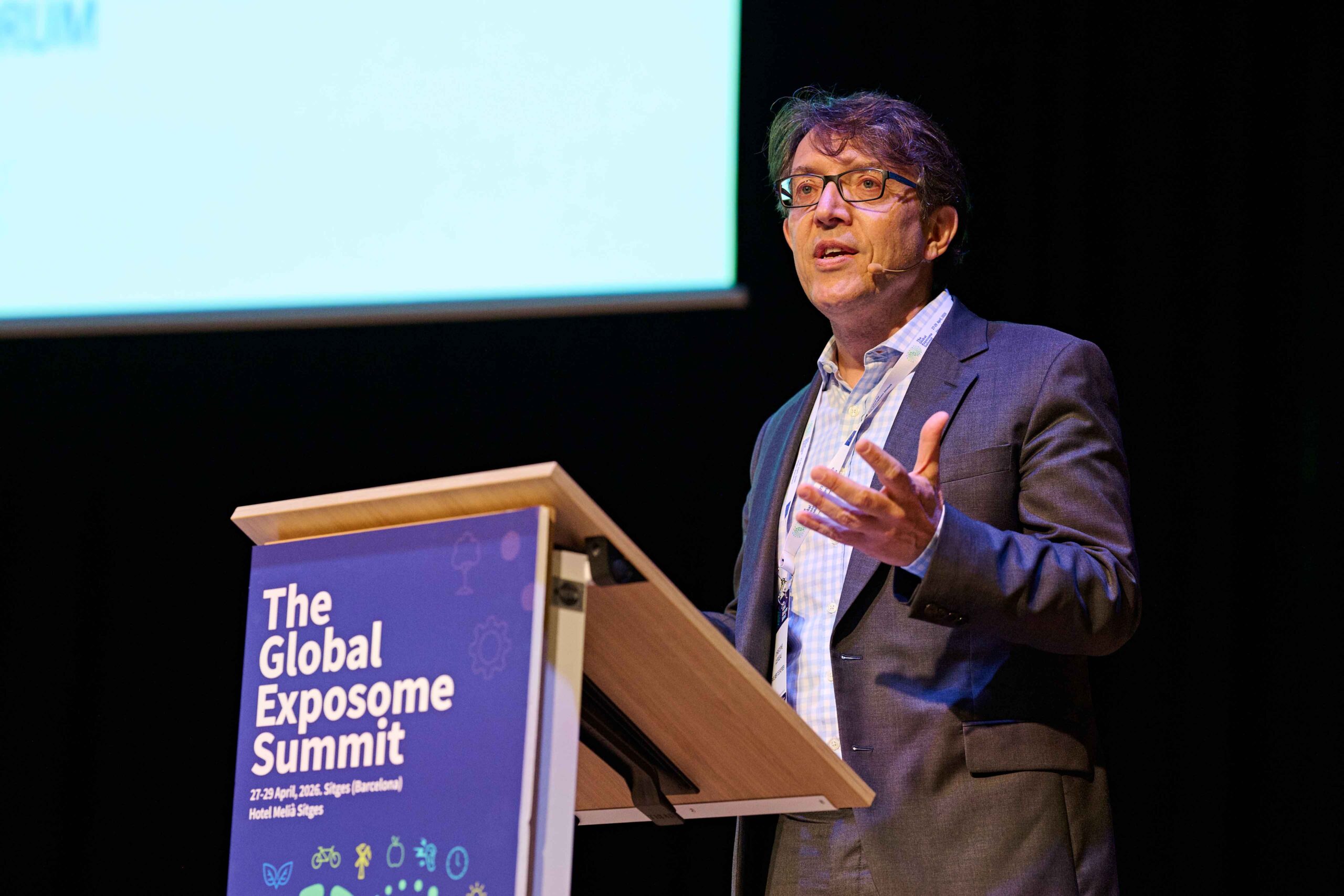
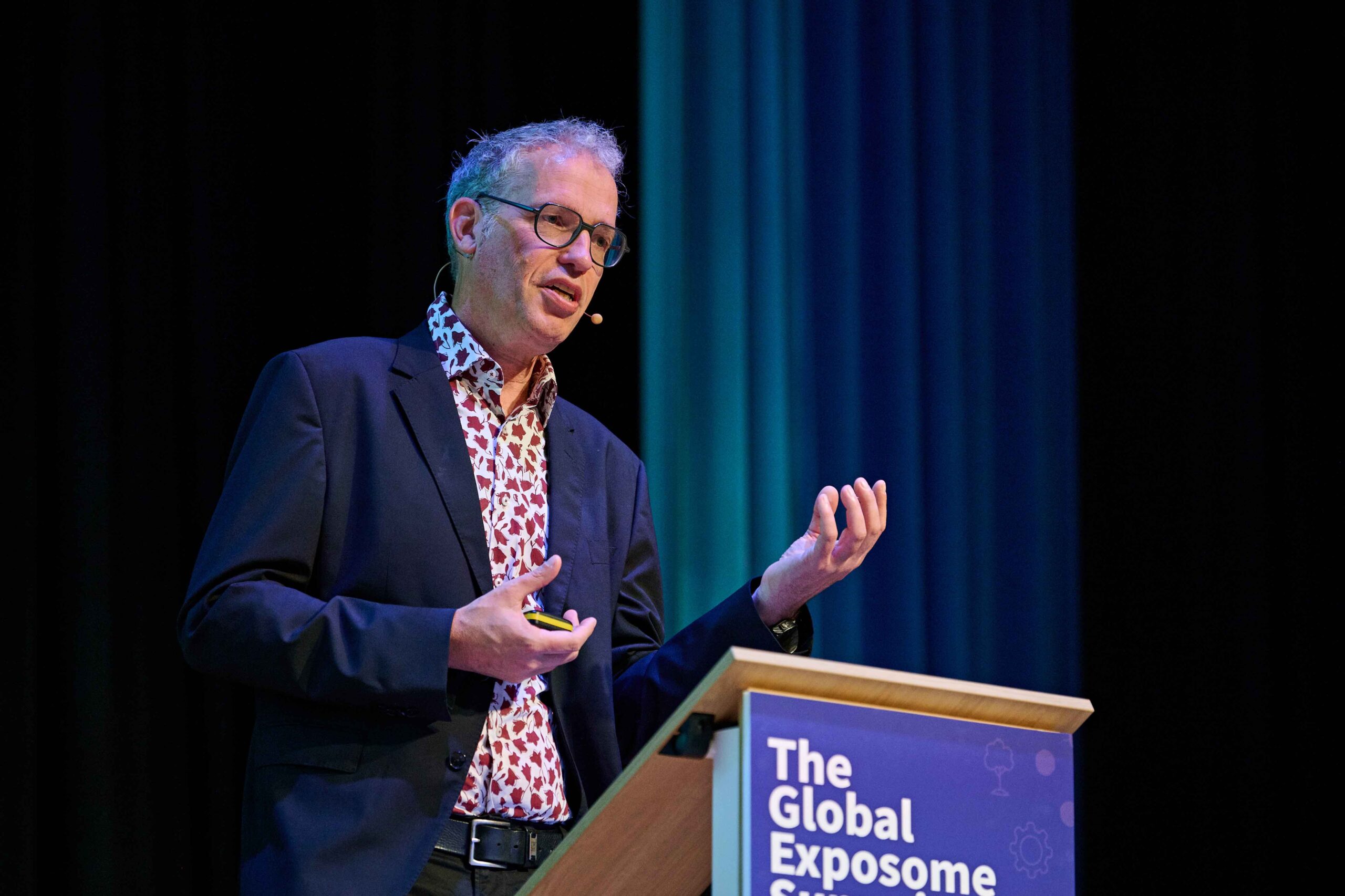
Day one of the conference focused on just that – how the exposome could help drive policy action for better health in the EU. With growing societal problems, a bigger scientific community, more tools, and political momentum, the exposome can make a real difference today, said Roel Vermeulen, Professor at Utrecht University and co-coordinator of IHEN, “As problems keep on growing, we need coordinated solutions that will keep up.”
Speakers highlighted the key asks of the Exposome Alliance, which aims to position the exposome at the heart of Europe’s future health, research, and prevention agenda. These include:
- Supporting research on the exposome and launching a Mission Exposome
- Building a European Exposome Data Space for Prevention
- Creating a common prevention pillar to strengthen prevention
“People do not experience risks in silos and public policy should reflect that reality. That’s why the exposome is so important. It helps us to move from reacting to diseases to understanding and preventing the conditions that drive them and identifying common factors across diseases,” said MEP Tilly Metz.
Many of the tools and infrastructures to better understand the exposome are already available today. IHEN has gathered 70 tools in its exposome toolbox, also presented at the summit, for exposome researchers across the globe. Other resources were highlighted including European exposome maps and global cohort catalogues. IHEN researchers also presented their interim roadmap for exposome research in Europe.
The roadmap has five strategic goals:
- Anticipate the impact of global changes
- Ensure transitions are health-positive
- Embed exposome research in policy and regulation
- Transform prevention and healthcare
- Build methods, tools, and infrastructure
The need for equitable global exposome collaboration was also a key feature of the conference: “In low and middle income countries (LMICs) very often the vulnerabilities and the exposures pile up,” said IHEN ambassador Rafael Buralli, Professor at the University of São Paulo, “We need to strengthen capacities in LMICs to do the same science we do in higher income countries. This is an opportunity to reframe how we do science in different countries.”
Exposome science and community
The summit also put the latest exposome science in the spotlight, with talks from keynote speakers and young researchers highlighting their newest findings.
Talks covered a wide range of topics, from the new technologies behind exposomics – such as high-resolution chemical screening platforms, geospatial modelling of the external environment and toxicological predictions driven by AI – to key studies on how the exposome interacts with climate action, brain health, and the microbiome.
The conference concluded with a final day that highlighted collaborations in the exposome community and how it led to the creation of the Global Exposome Forum. Martine Vrijheid, Research Professor at the Barcelona Institute for Global Health (ISGlobal) and co-coordinator of IHEN said: “We’re here to move beyond fragmented silos, and to build a united community for the exposome.”